Zubní můstek: Co to je, když ho potřebujete a co vám nahradí
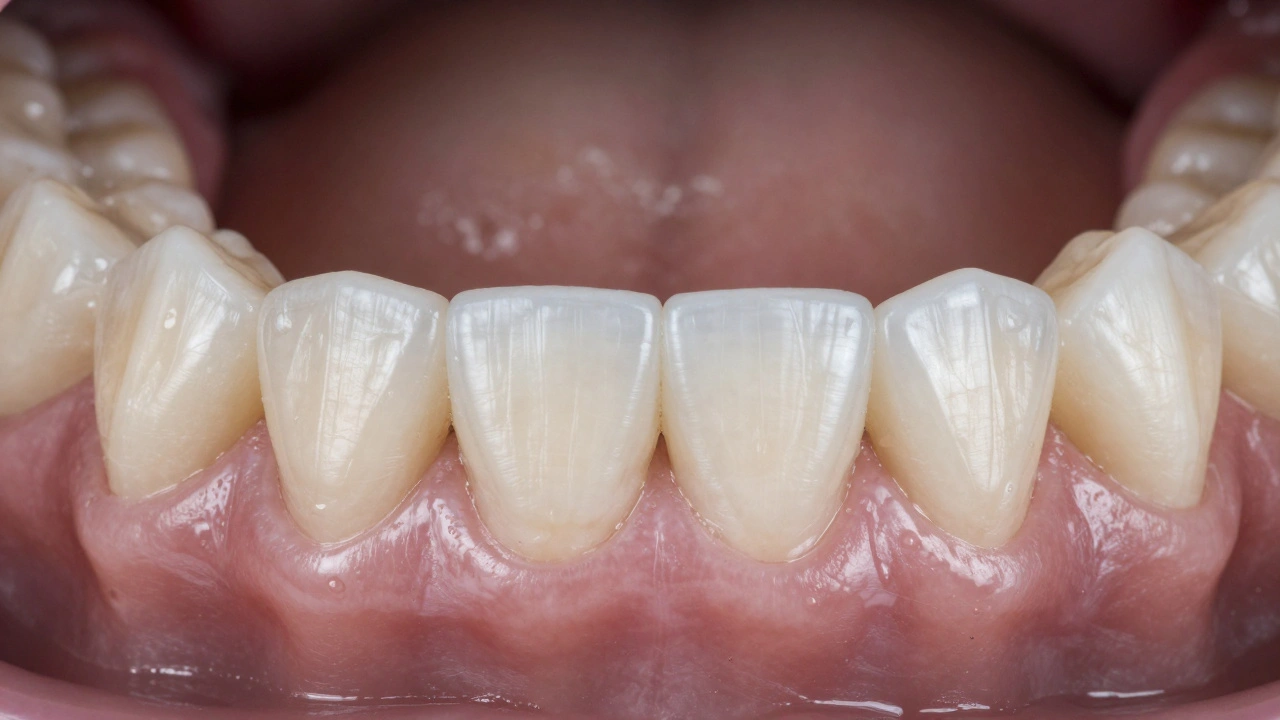
When you lose a tooth, your mouth doesn’t just lose one piece — it loses balance. A zubní můstek, trvalá náhrada chybějícího zubu, která se připevňuje k sousedním zubům. Also known as zubní most, it’s a fixed solution that fills the gap without needing surgery like implants. It’s not just about looks — it’s about keeping your jaw aligned, your bite even, and your other teeth from drifting. Many people think implants are the only option, but a zubní můstek is often faster, cheaper, and just as effective — especially if your neighboring teeth already need crowns anyway.
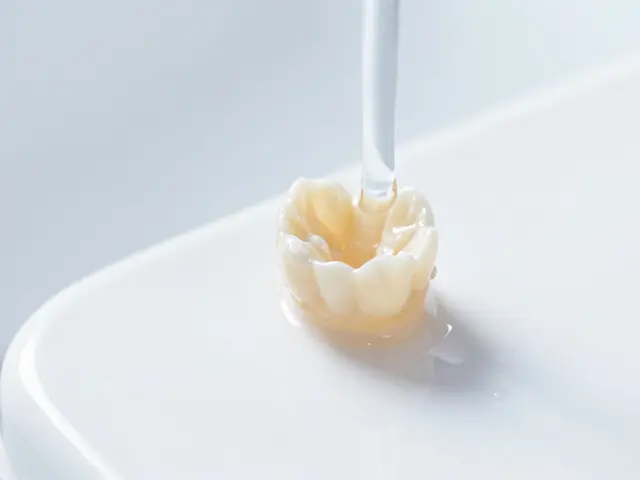
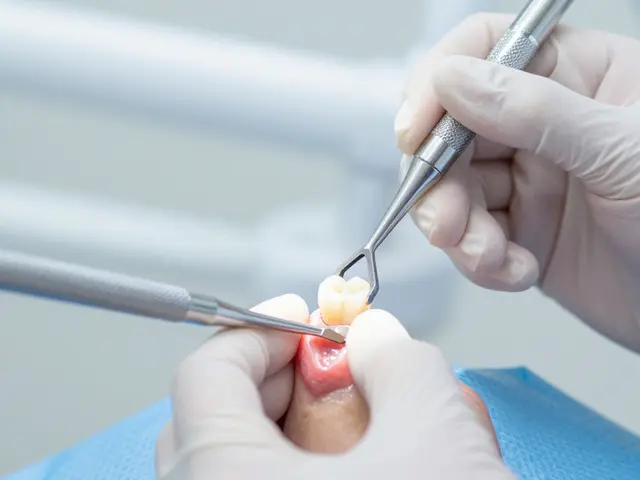
How does it work? Imagine three crowns connected together: the two on the sides are placed over your healthy teeth, and the middle one replaces the missing tooth. Those side teeth become anchors — they’re shaved down a bit, then covered with ceramic or metal crowns that hold the whole structure in place. It’s not removable, it doesn’t move, and with good hygiene, it can last 10 to 15 years. But here’s the catch: if those anchor teeth aren’t strong enough, the whole thing fails. That’s why dentists check for decay, gum health, and bone support before even suggesting a bridge.
It’s not for everyone. If you’ve lost multiple teeth in a row, a bridge might not be stable enough. If your gums are weak or you grind your teeth, it could crack or loosen. That’s when zubní korunky, plně kryjící zub, který je poškozený nebo připravený k podpoře mostu become part of the solution — not just for the bridge, but for your whole mouth. And if your jawbone has shrunk after tooth loss, a bridge won’t help rebuild it. That’s where zubní protézy, odstranitelné nebo fixní náhrady zubů, které mohou nahradit více zubů najednou come into play. But if you’re missing just one or two teeth, and your neighbors are healthy, a bridge is often the smartest middle ground.
You’ll find posts here that explain exactly what happens during the procedure, how much it costs in 2025, why some bridges fail, and how to clean under them without damaging your gums. There’s also advice on what to do if your bridge feels loose, how to avoid hurting your anchor teeth, and why skipping regular checkups can cost you the whole thing in just a few years. Whether you’re deciding between a bridge and an implant, or just trying to understand why your dentist recommended it, this collection gives you real answers — no jargon, no pressure, just what works.